If you search smart glasses for low vision in 2026, the first page mixes medical headsets, clip-on readers, and $299 sunglasses. That mix is why an eSight alternative query and a Ray-Ban Meta review can look like the same shopping trip.
They are not. The useful split is what the device does with your remaining sight.
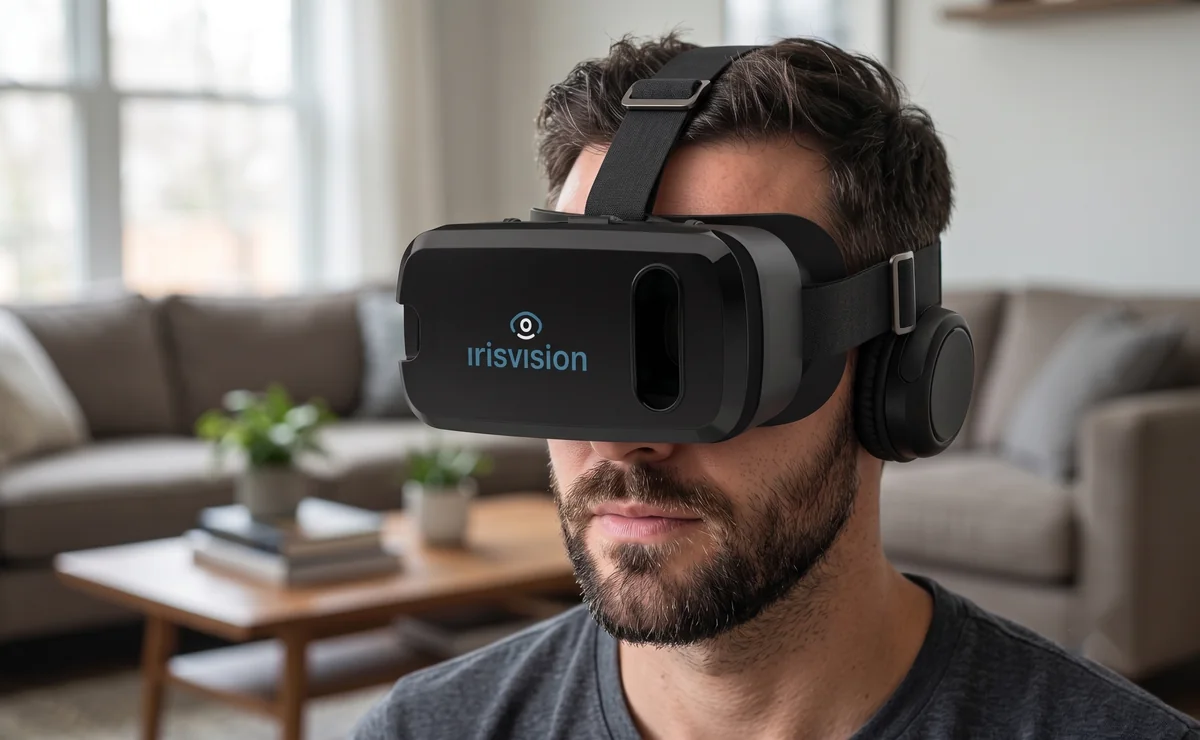
This guide is for families and clinicians who need that split in plain language — then an honest place for IrisVision Vista. It does not replace a low-vision exam.
The three jobs smart glasses can mean
Visual enhancement. A camera captures what you are looking at. Software enlarges it, boosts contrast, or reshapes the picture. You see more of the scene on screens close to your eyes. Clinicians call this a wearable electronic vision enhancement system (wEVES).
AI interpretation. The device talks. It reads a menu, names a face, or describes a room. You hear the world. You do not get a magnified live view.
Mainstream AI glasses. Consumer frames (Ray-Ban Meta and similar) can describe a scene because they have a camera and a large language model. They look like ordinary sunglasses. They are not built as a low-vision headset.
Roundups that list eSight, Envision, and Meta in one “best of” table without this split confuse buyers. Price and “looks like glasses” are not the same as magnification.
Visual enhancement
These devices put a display in your field of view. You still use the vision you have. The headset makes the picture larger, brighter, or higher-contrast so leftover central or peripheral vision can work harder.
Common names: electronic glasses, wearable low-vision headset, Low Vision Glasses when the product is a camera-and-display wearable — not a $40 Amazon reader.
Examples in this family: eSight Go, Acesight, NuEyes, IrisVision Vista.
Best when you have remaining useful sight — macular degeneration, Stargardt, diabetic retinopathy, glaucoma, retinitis pigmentosa. If you have almost no light perception, enhancement has little to work with; interpretation glasses may fit better.
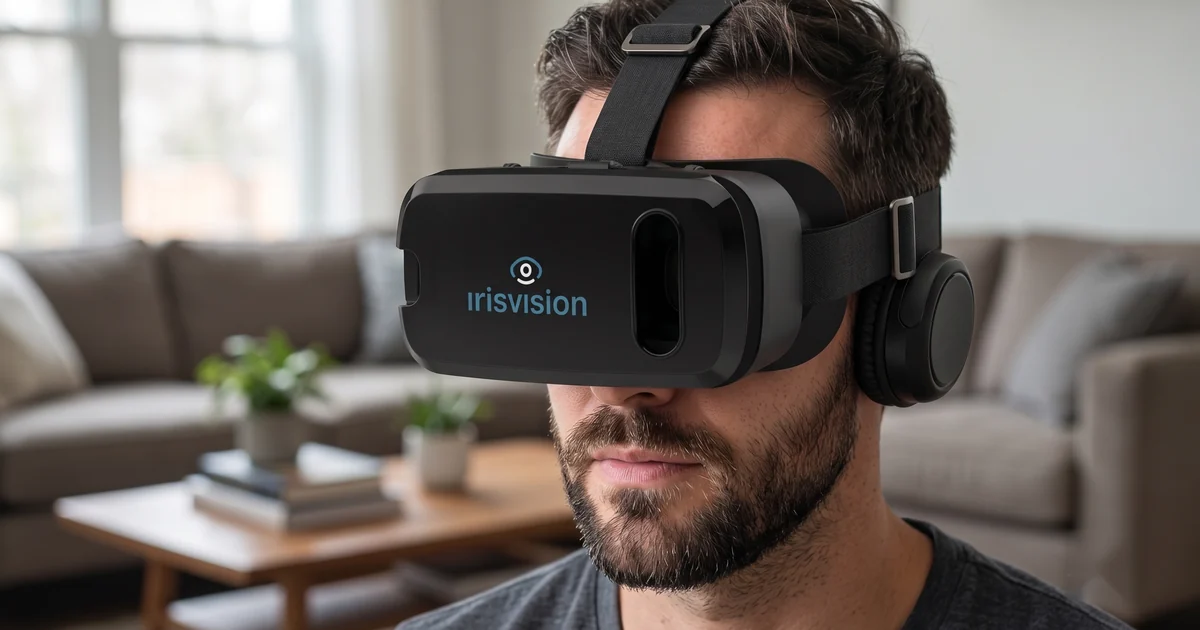
Vista is wearable electronic Low Vision Glasses: voice-first control through Iris, up to 14× zoom, modes for reading, TV, tunnel vision, and everyday scene viewing, plus one-on-one coaching. It is a headset, not a pair of everyday spectacles. That is a design choice — more display, more field — not a fashion failure.
For the older category explainer, see electronic glasses. For a product-by-product list from an earlier generation of reviews, see top electronic glasses for the blind and visually impaired.
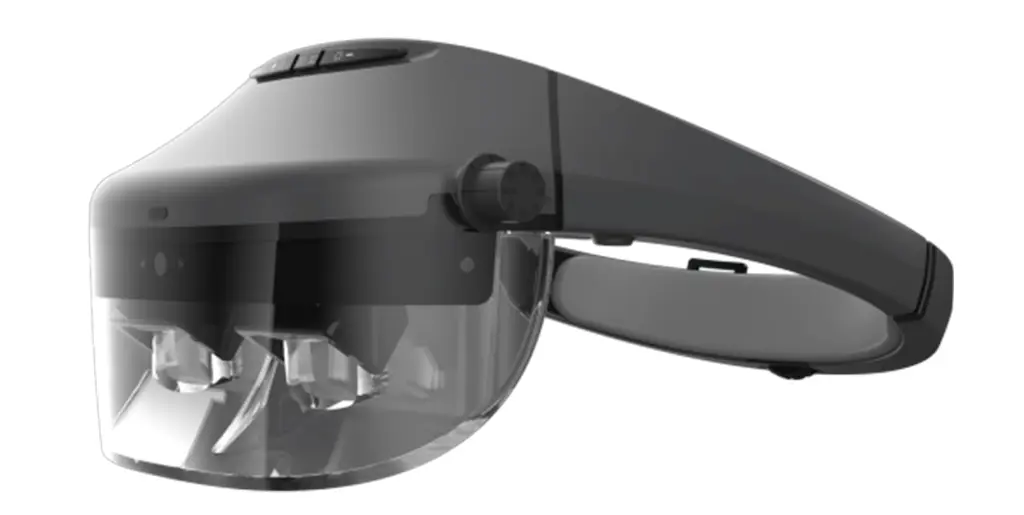
AI interpretation
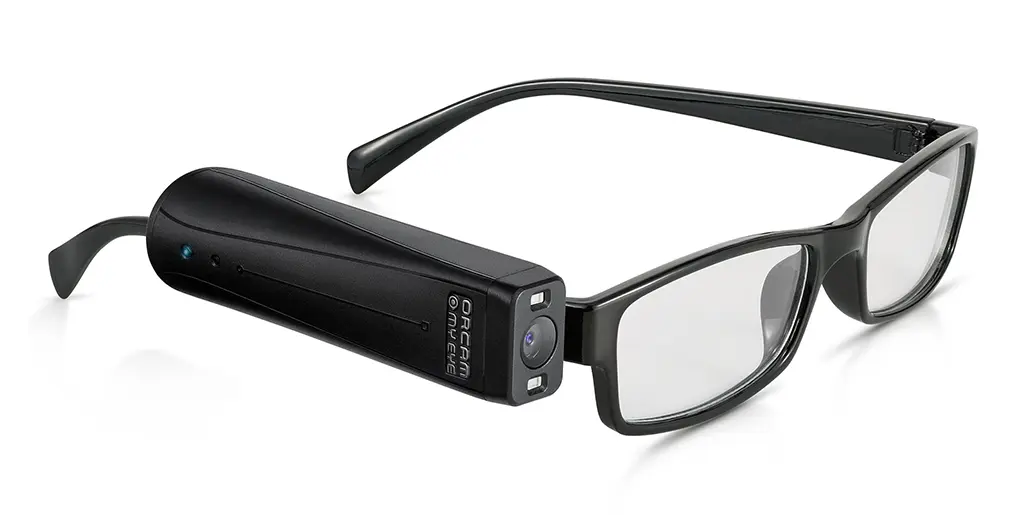
These products are built around speech. A camera finds text or objects; software speaks the result. OrCam clips onto your own frames. Envision is a dedicated smartglass for reading and scene description.
They help when the job is “tell me what this says” or “what is in front of me,” not “make this letter two inches tall on a screen I can still see.”
If you still have usable central or side vision and your goal is to look at a grandchild’s face or a TV show, interpretation-only glasses will feel like a different tool — because they are.
Mainstream AI glasses
Ray-Ban Meta and related consumer glasses can describe a street or read a label. The American Foundation for the Blind has treated this class as accessibility by coincidence: useful, cheaper, discreet, and not a substitute for medical-grade enhancement.
Use them if you want a normal-looking frame and audio description. Do not expect them to replace a low-vision headset for reading a newspaper column or watching a film at a usable size.
Meta’s VA and “free for some veterans” programs change the price conversation. They do not change the job conversation.
Vista compared with eSight and Meta
| Job | Vista | eSight | Meta Ray-Ban |
|---|---|---|---|
| Magnify remaining sight on a near-eye display | Yes | Yes | No |
| Voice-first control for zoom and modes | Yes (Iris) | Limited | AI assistant (description) |
| Looks like everyday glasses | Headset | More spectacle-like | Yes |
| Coaching included | Yes | Varies by dealer | No |
| Typical buyer | Low vision with residual sight | Same | Anyone wanting AI description |
IrisVision is an honest eSight alternative when you want enhancement plus voice and coaching. It is the wrong comparison when you want a $299 sunglass that talks.
How to choose
- What do you still see? If you can detect light, shapes, or a TV glow, enhancement is in play. If you cannot, start with interpretation or a low-vision clinic.
- What is the daily task? Reading and faces favor a magnified live view. Label-reading on the go can be audio.
- Will you wear it? A headset you use beats a discreet frame you leave in a drawer. Comfort and coaching matter more than a spec sheet.
- Who will teach you? Vista includes personal coaching. Many enhancement devices do not.
Unsure? Take the suitability quiz or talk to us.
What Amazon calls low vision glasses
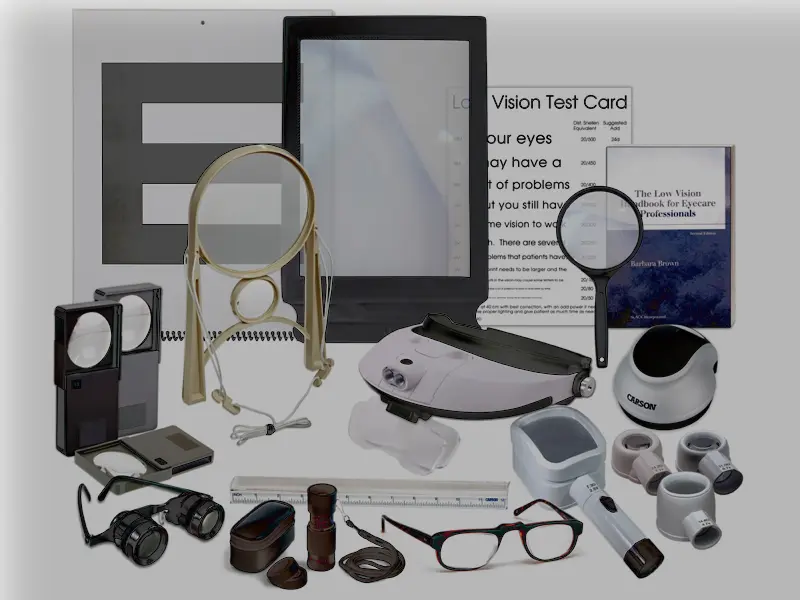
The same week you search smart glasses, Amazon will show LED readers, FL-41 tints, and prism glasses. Those can help glare or a small add. They are not wearable electronic Low Vision Glasses. We keep that distinction so Google does not file Vista with a $20 magnifier.
Frequently asked questions
Are smart glasses the same as electronic glasses?
Often yes in marketing, not in engineering. Electronic glasses usually means camera plus display. “Smart glasses” in 2026 also means Meta-style AI frames. Ask which job you need before you compare prices.
Is IrisVision an eSight alternative?
For people who need enhancement — magnification and contrast of remaining sight — yes, Vista is in that set. eSight’s form factor is more spectacle-like; Vista is a voice-first headset with coaching. Neither is a Meta Ray-Ban.
Can I use Vista if I also want AI scene description?
Vista’s Iris assistant reads, zooms, and switches modes for low-vision tasks. It is not a general-purpose consumer AI sunglass. If you only want street-scene narration and a normal frame, that is a different product.
Should I wait for something that looks like regular glasses?
Spectacle-like enhancement exists (eSight and others). The tradeoff is usually field of view, battery, or features. Wanting a normal look is reasonable. Waiting years while you cannot read the mail is a different decision. Try before you decide — see Vista or buy.