Searches for glasses for optic nerve damage usually follow a diagnosis of optic neuropathy, ischemic optic neuropathy, or optic atrophy. Families want a pair of lenses that “fixes the nerve.” Lenses do not do that.
This article is the glasses explainer. The existing assistive article stays at low vision solution for optic nerve damage. Product landings stay at optic neuropathy aid and optic atrophy aids.

What optic nerve damage does to sight
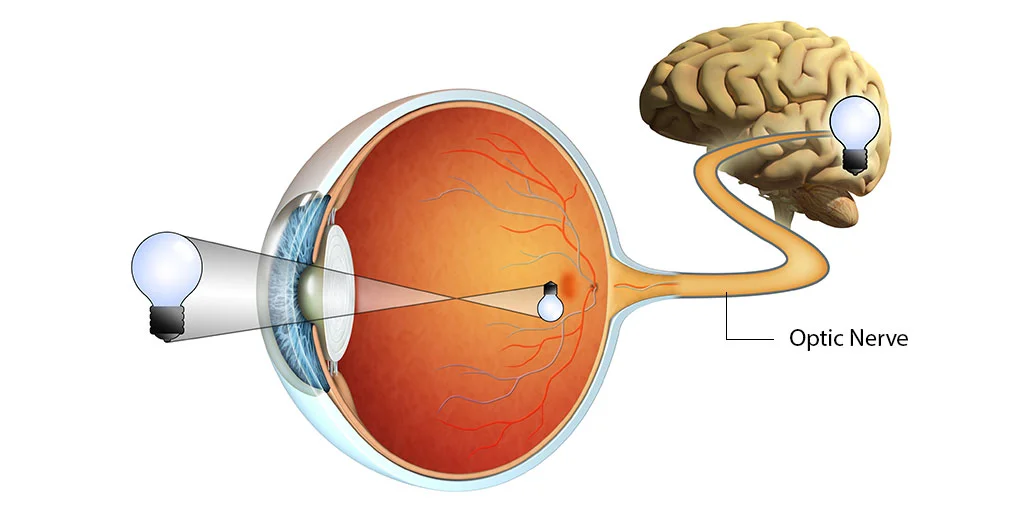
The optic nerve carries the picture from retina to brain. Inflammation, poor blood flow, compression, inherited disease, or trauma can thin that cable. Vision may dim, field may shrink, or contrast may collapse. Color can wash out.
Medical treatment depends on the cause — steroids for some inflammatory neuropathies, blood-pressure workup for ischemic events, surgery if a mass is involved. That is a neurologist and neuro-ophthalmologist conversation. The National Eye Institute and AAO cover those pathways. We do not treat the nerve with a headset.
Glasses enter when leftover vision is the daily problem.
Optical glasses
An updated Rx is still worth doing if there is leftover refractive error. High-add readers and lighting can help a little. They cannot restore axons that are gone.
If the complaint is “I have glasses and the world is still dim / small / missing,” you have reached low vision, not a failed refraction.
Wearable electronic Low Vision Glasses
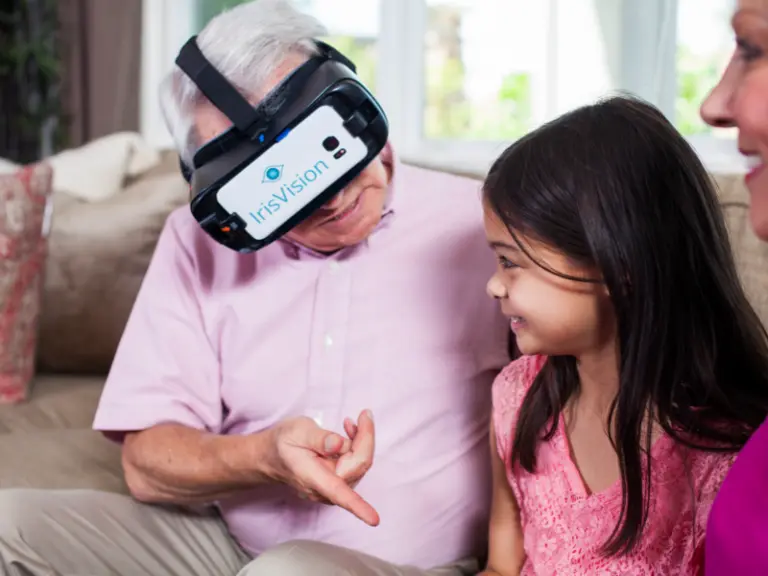
Electronic glasses use a camera and a display. Software enlarges the live view and can raise contrast so remaining nerve fibers have a stronger picture to carry. IrisVision Vista is in that set — wearable electronic Low Vision Glasses.
Useful when:
- You still detect light, large shapes, or a TV glow.
- Reading and faces are the jobs that failed first.
- A clinic has already said “we cannot give you more Rx.”
Less useful when there is no light perception. Then AI interpretation glasses (audio description) may fit better — see smart glasses for low vision.
Vista includes Iris voice control and personal coaching. It does not treat optic neuropathy. Do not wear the headset while walking or driving. See the Vista user guide.
How this page relates to the rest of the site
| URL | Job |
|---|---|
| This article | What “optic nerve glasses” means |
| Optic neuropathy aid | Neuropathy product landing |
| Optic atrophy aids | Atrophy product landing |
| Low vision solution | Existing assistive article |
| Glaucoma smart glasses | Related field-loss guide |
| Vista | The product |
How to try a wearable aid
A neuro-ophthalmologist owns the cause. A low-vision clinic owns the leftover sight. If you still detect light or large shapes, a headset demo is more useful than another pair of the same readers.
If you have no light perception, skip enhancement and ask about audio / interpretation tools — see smart glasses for low vision.
Take the suitability quiz, see Vista, or contact us. Bring the latest notes if you have them.
Frequently asked questions
Can glasses repair an optic nerve?
No. Treatment depends on the cause. Glasses and electronic aids help you use leftover sight.
Is this the same as glaucoma glasses?
Glaucoma often damages the optic nerve through pressure. The assistive idea — enhance remaining field — is related. The medical follow-up is different. See the best glaucoma smart glasses.
Should I try Meta Ray-Ban first?
If you only want scene description and a normal-looking frame, that is a different job. If you want a magnified live view, you want enhancement — Vista or another wEVES. Compare on smart glasses for low vision.
Where do I start?
Take the suitability quiz, see Vista, or contact us. Bring the latest neuro-ophthalmology notes if you have them.