According to the estimates provided by NIH:
The number of legally blind people (20/200 vision or worse) in the United States of America was well over 1 million in 2015.
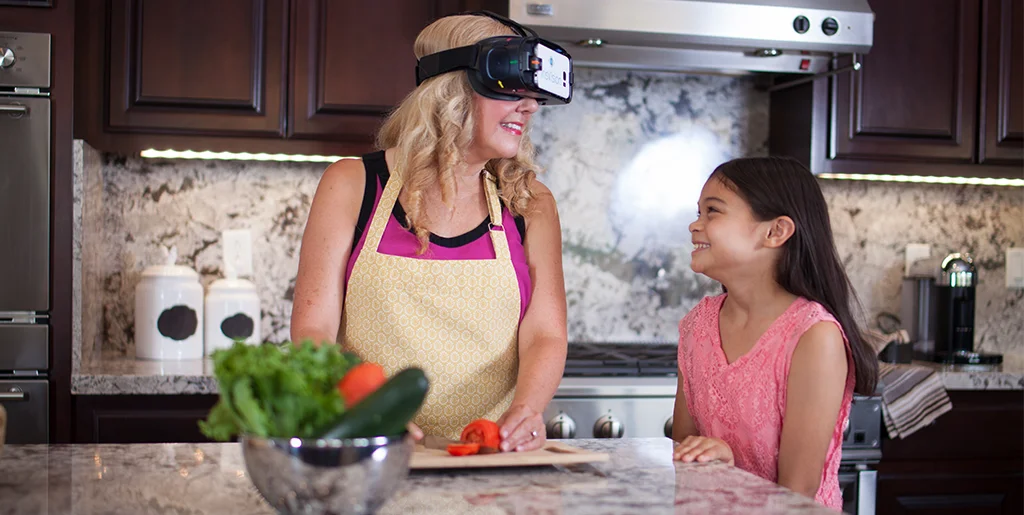
This means a significant chunk of people with special needs live right among us. It’s not only the deterioration of vision that they have to suffer from; the overall quality of their lives deteriorates too, also affecting their level of independence.
The good news is that healthcare combined with technological advancement is improving with every passing day. For example, a host of innovative low vision solutions have cropped up lately, offering different types of features and functions catering to a whole range of visual disabilities.
Of course, some of them are better than others in the way they are designed and function. So, we have compiled a list of top 5 devices that can help legally blind live independently. Let’s have a look at them:
IrisVision
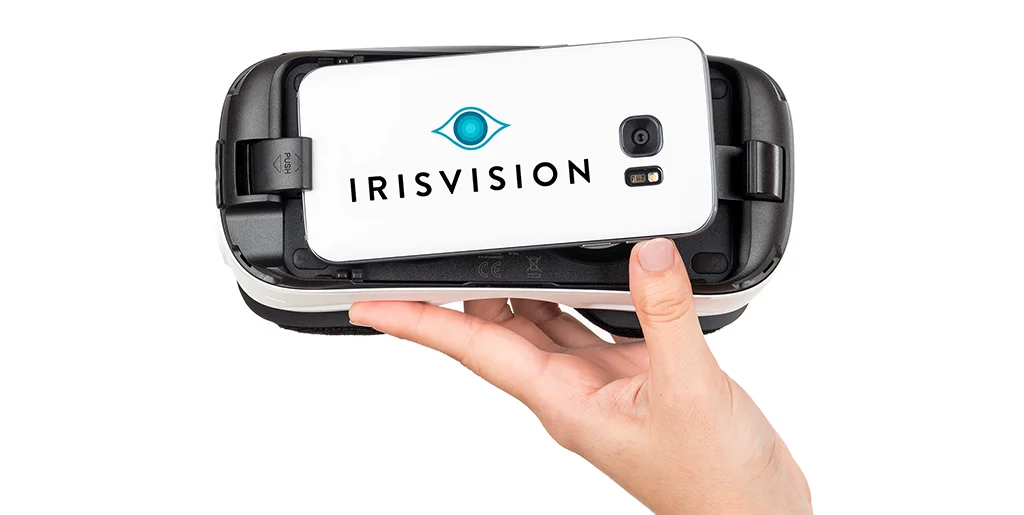
IrisVision Vista is an assistive technology solution, one of the best vision enhancement, wearable low vision aids in the market right now.
A wearable, hands-free low-vision headset controlled by voice or a simple remote, Vista is designed to facilitate people suffering from low vision conditions, especially Macular Degeneration, and other degenerative eye diseases like Diabetic Retinopathy, Cataracts, Albinism and so forth.
Find answers to frequently asked questions about IrisVision here.
Website: irisvision.com
Features
-
Electronic glasses worn as a wearable, hands-free headset, which captures the images and offers a magnified view of the objects (within its field of view) to the viewer.
-
Highly maneuverable magnification up to 14x with auto-focus
-
Broad field of view, one of the widest in the whole industry
-
Highly customizable and user friendly controls and settings
-
Helps legally blind and visually hampered in performing a host of daily activities ranging from viewing live scenes and sports events to watching their favorite shows through hands-free YouTube + Vision Cast
-
Patented “Bubble View” magnification feature designed to offer magnification within the bubble, without losing the overall context of the surrounding view
-
Different vision modes to cater for different types of legal blindness or visual impairment, for example, ‘Scene Mode’, ‘Bubble View’, ‘Reading’ with ‘Reading Line’, field-shrink for tunnel vision, ‘TV Mode’ and ‘Outline’
-
Voice-first ‘Iris’ to enable users operate this low vision device through voice commands, truly making it ‘hands-free’
-
Voice-first ‘Iris’ also reads text aloud using contemporary OCR techniques, so the device can literally read you out the desired text
OrCam MyEye
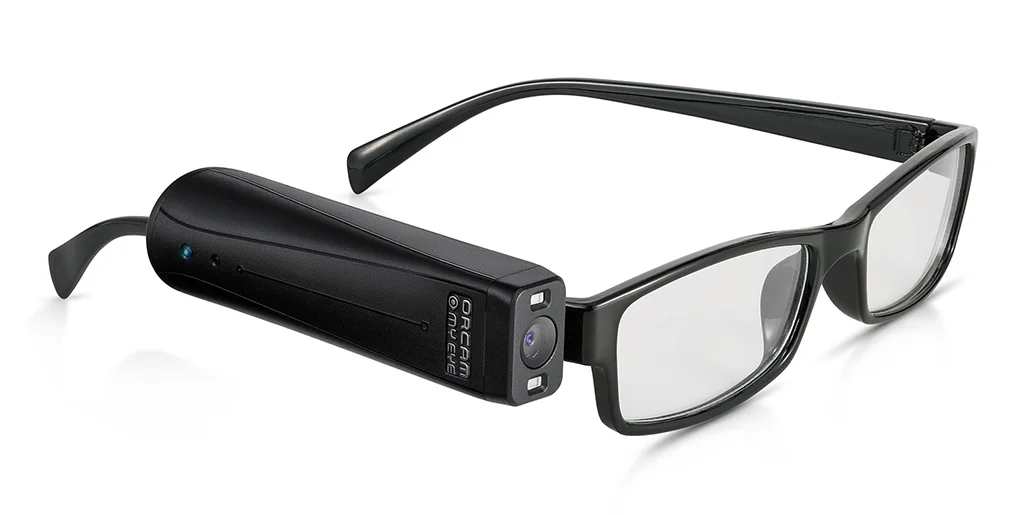
OrCam MyEye is a small camera that clips onto the side of your own glasses. It is built primarily for reading assistance — recognizing and reading aloud text, faces, and products — rather than magnifying your whole field of view.
Jordy
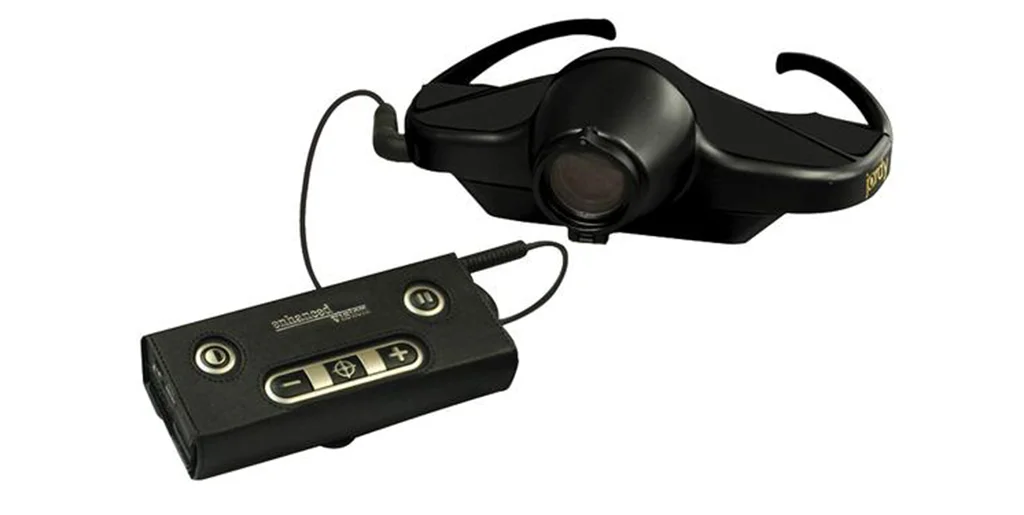
Jordy, by Enhanced Vision, is a head-worn video magnifier that enlarges and enhances what you’re looking at, and can dock to a stand to double as a desktop CCTV. It connects by cable rather than working fully wireless.
eSight
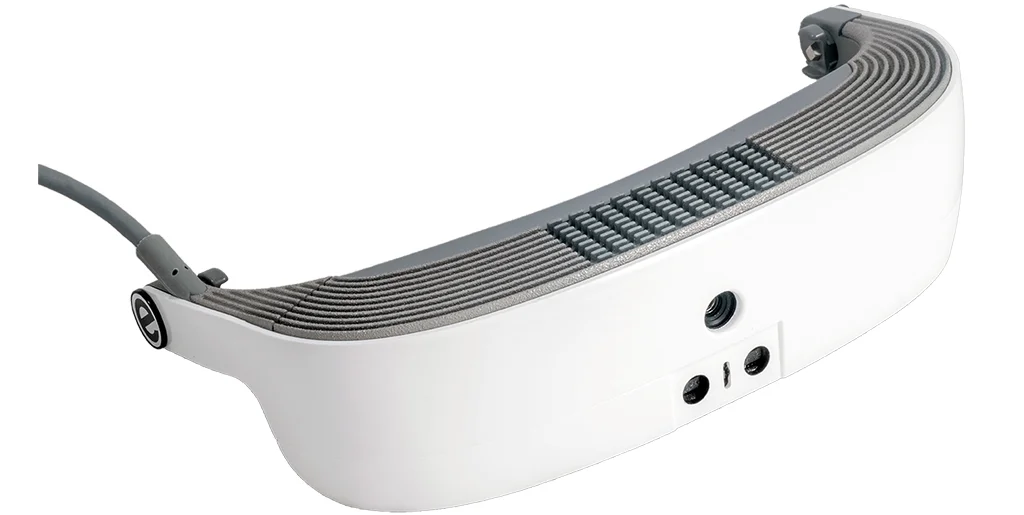
eSight is a head-mounted electronic headset that enhances live video for people with reduced central vision. It is battery-powered and tethered to its controller by a cable.
NuEyes
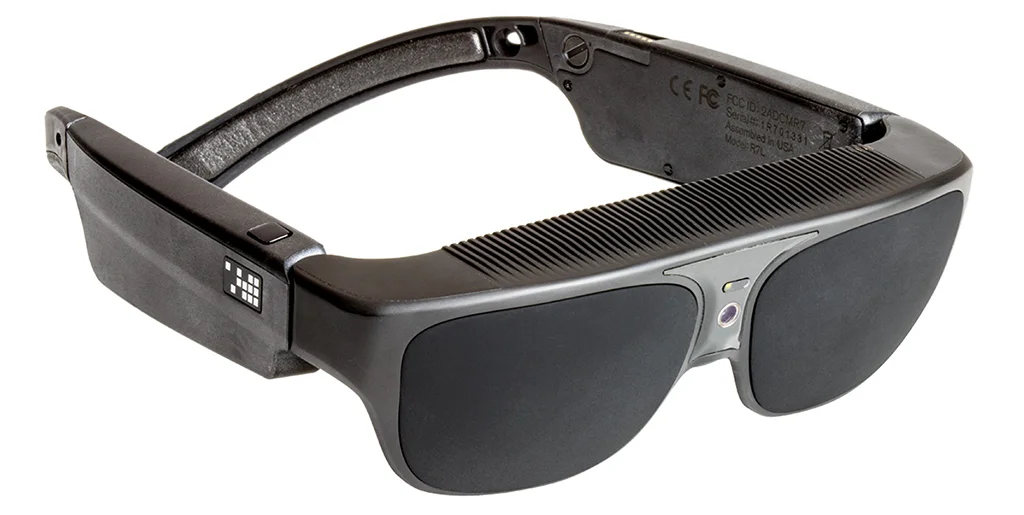
NuEyes makes lightweight, wireless smart electronic glasses controlled by a handheld remote or voice commands, using a front-facing camera to magnify what you’re looking at.
How IrisVision Vista Compares
| Feature | IrisVision Vista | OrCam MyEye | Jordy | eSight | NuEyes |
|---|---|---|---|---|---|
| Wearable, hands-free headset | Yes | Clip-on camera | Head-strap unit | Head-mounted goggles | Smart glasses |
| Voice-first control (“Iris”) | Yes | Limited | No | No | Voice commands |
| Magnification | Up to 14x + auto-focus | Reading focus | Variable | Fixed acuity focus | 1x–12x |
| Vision modes (Scene, Bubble View, Reading + Reading Line, tunnel-vision field-shrink, TV, Outline) | Yes | No | Limited | Limited | Color/contrast |
| Read-aloud OCR (“Iris”) | Yes | Yes | No | Yes | No |
| Hands-free YouTube + Vision Cast | Yes | No | TV only | No | TV only |
| Wi-Fi-optional | Yes | — | — | — | — |
| One-on-one coaching + 30-day returns* | Yes | No | No | No | No |
| US & Canada: Free shipping · International: $135 flat | Yes | — | — | — | — |
What Else Can You Do to Live Independently as Legally Blind?
In fact, technology is not the only avenue offering you assistance in living independently as a vision impaired or legally blind individual. There are some other practices that can help you move around your home much more independently, such as:
- Bigger and Bolder is Better
Not for everyone and every situation, but definitely for people suffering from low vision conditions, bigger and bolder is better. You shouldn’t confine this principle only to reading your morning paper. Instead, consider labeling everything possible and essential, ranging from kitchen cabinets, drawers and shelves to large storage boxes. Similarly, you better resort to the best contrasting color arrangement according to your needs and requirements.
- Identify High Risk Places and Install Grab Bars Over There
This can be helpful even when your mobility is not compromised intensively, keeping you safe from slipping, tripping and falling in high risk places like bathrooms, staircases and kitchen. As they say, prevention is better than cure.
- Get Clutter Free
Clutter in your home is not recommended in any case, more so when you live there as a vision impaired person. Arrange your furniture minimally and securely, making sure you’ve left ‘safe zones’ to navigate through your desired destinations.
Conclusion
One thing is for sure, with continued technological progression, life is going to be even better for people with special needs. More and more processes, methods, tools and techniques will continue improving the quality of people suffering from vision impairment, some of which have been discussed in this write-up.
Though all of these low vision devices are designed to cater to the special needs of vision impaired and legally blind people, all of these differ in one way or the other. And as a vision impaired person, it’s up to you to decide your imminent needs and requirements, also considering which one gives you the best value of money.