Searches for glasses for cataracts usually mean one of three things: “do I need a new Rx,” “what happens after surgery,” or “I cannot have surgery yet — what else is there?” Those are different answers.
This is the glasses guide. Surgery recovery and complications stay on cataract surgery recovery and complications to look out for. There is no separate IrisVision “cataract glasses” product landing — Vista is the product when a wearable aid is appropriate.
What a cataract does to sight
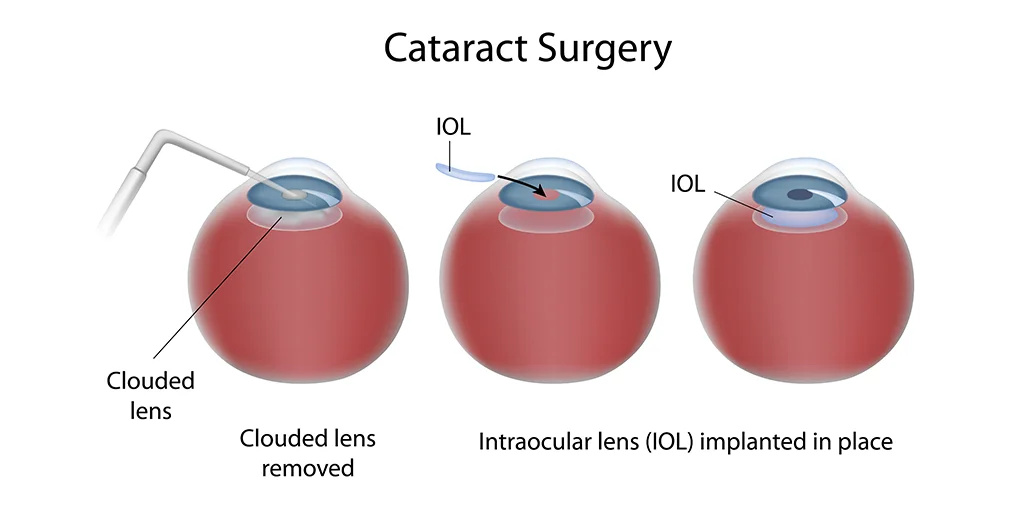
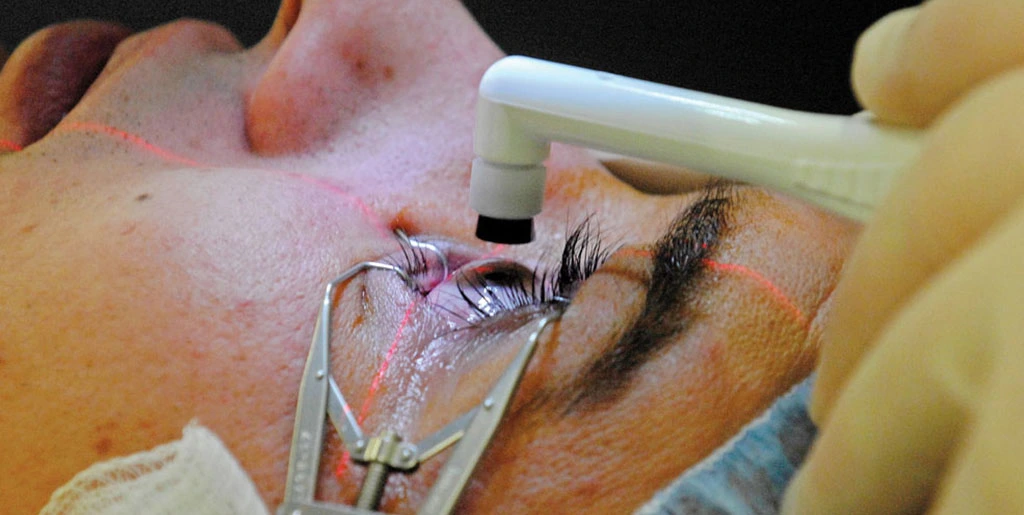
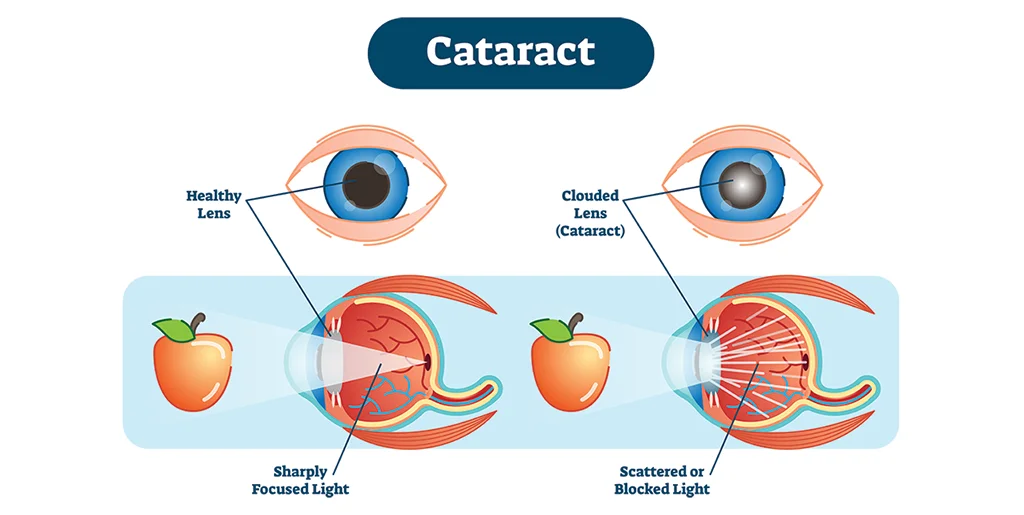
The eye’s natural lens should be clear. A cataract clouds it. Glare, faded color, and a dirty-windshield blur are typical. The National Eye Institute and AAO treat surgery — removing the cloudy lens and placing an implant — as the definitive treatment. We agree.
Glasses sit around that fact. They do not dissolve the cloud.
When a new prescription still helps
Early cataracts often change the Rx. An updated pair can restore usable vision for months or years. Anti-glare coatings and hats help outdoors. This is ordinary optometry, not a headset.
If you are still reading, driving (if your clinician says you may), and recognizing faces, stay on that path. Do not buy electronic glasses because an ad said “cataract glasses.”
When lenses stop being enough
You have left the optical aisle when:
- Glare and blur persist despite a new Rx.
- Surgery is delayed (health, access, or you are waiting).
- Surgery is done, but another condition — macular degeneration, diabetic retinopathy, glaucoma — still limits sight.
- Complications or congenital / pediatric cataracts left permanent low vision.
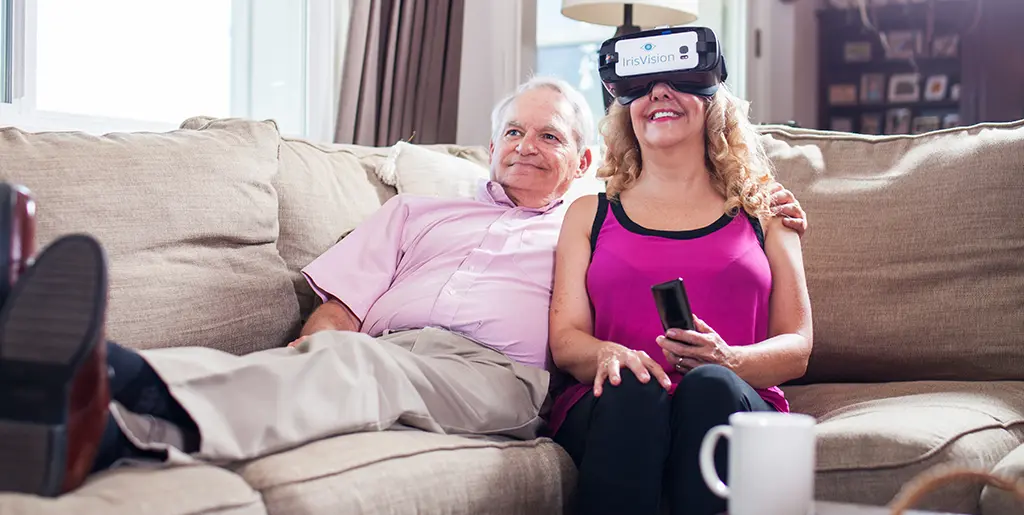
Then electronic glasses — a camera and a display — can enlarge remaining sight. IrisVision Vista is wearable electronic Low Vision Glasses in that set: voice-first Iris assistant, reading and TV modes, coaching included.
Vista does not treat a cataract. It does not replace a surgical consult. Do not wear the headset while walking or driving. See the Vista user guide.
How this page relates to the rest of the site
| URL | Job |
|---|---|
| This article | What “cataract glasses” means |
| Types of cataract surgery | Medical education |
| Smart glasses for low vision | Enhancement vs AI vs Meta |
| Vista | The product if a wearable aid fits |
How to try a wearable aid
If surgery is on the calendar, wait until your surgeon says the eye has settled before you shop for a headset. If surgery is delayed or another disease remains, a low-vision clinic can try lighting and readers first, then a demo.
Vista includes coaching. It is the wrong purchase if a new Rx or a routine cataract operation will restore usable sight.
Take the suitability quiz, see Vista, or contact us.
Frequently asked questions
Can glasses cure a cataract?
No. Surgery is the treatment. Glasses can compensate while the cataract is mild.
Should I try Vista instead of surgery?
No. If you are a surgical candidate, talk to your ophthalmologist first. Vista is for remaining low vision — before surgery if you cannot have it yet, or after if other disease remains.
I had cataract surgery and still cannot read. What now?
Ask whether another retinal or optic-nerve condition is involved. Then a low-vision clinic — and, if you have usable leftover sight, wearable electronic glasses.
Where do I start?
Take the suitability quiz, see Vista, or contact us.